
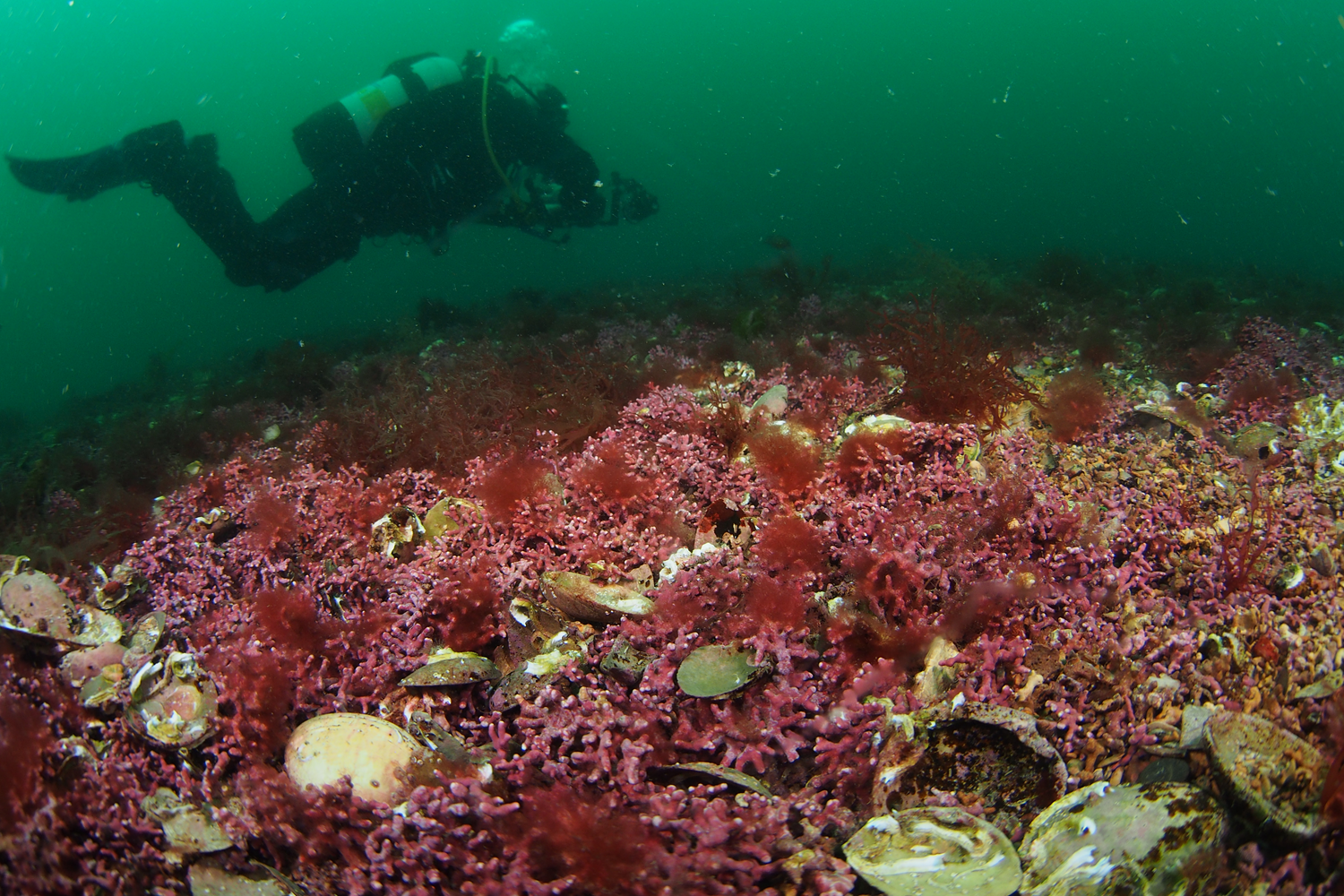
You could be forgiven for thinking that the picture above is of a vibrant tropical coral reef. However, this is a maerl bed, also known as a rhodolith bed or coralline algae bed, and the picture was taken in Cornwall. Maerl is a type of red seaweed that forms a skeleton of calcium carbonate within its cell walls. Unlike coral, maerl is not attached to the sea bed, but is rolled around by currents and the movements of animals, rather like stony tumbleweed. It can also form pink, lichen-like encrustations on benthic surfaces. Some varieties (geniculate corallines) resemble ordinary seaweed but with calcified sections and flexible joints.
Not only is it beautiful, maerl is also of enormous ecological importance globally. However, it is considerably understudied, and underrated, compared to other marine organisms.
As a sink and source of blue carbon, maerl matches or even surpasses coral carbonate production. Maerl beds occupy an approximate area larger than either tropical coral reefs, seagrass, kelp, or mangroves, respectively. Maerl also releases dimethyl sulphide, which plays an important role in climate regulation by contributing to cloud formation and influencing albedo (the measure of how much solar radiation a surface reflects).
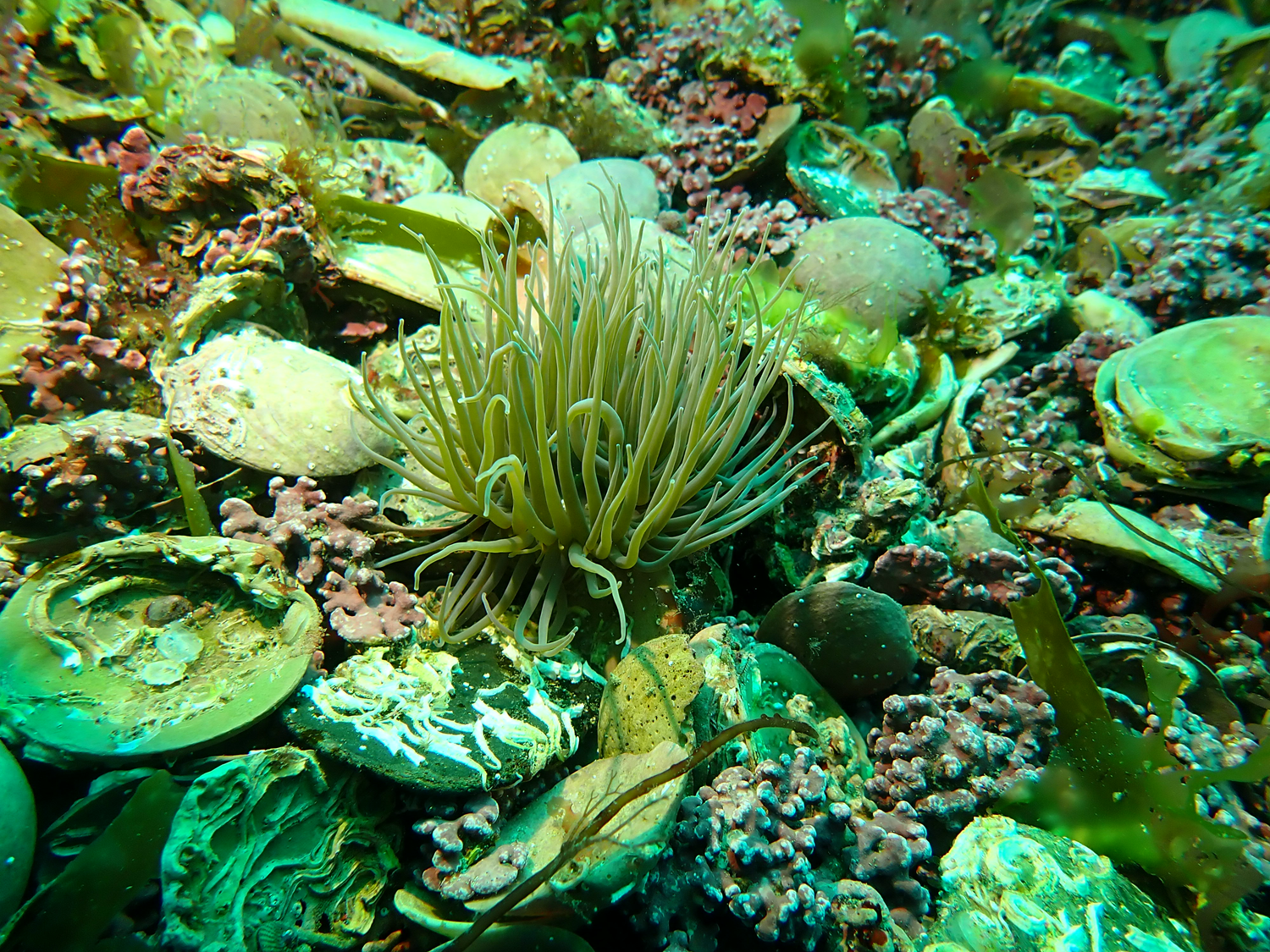
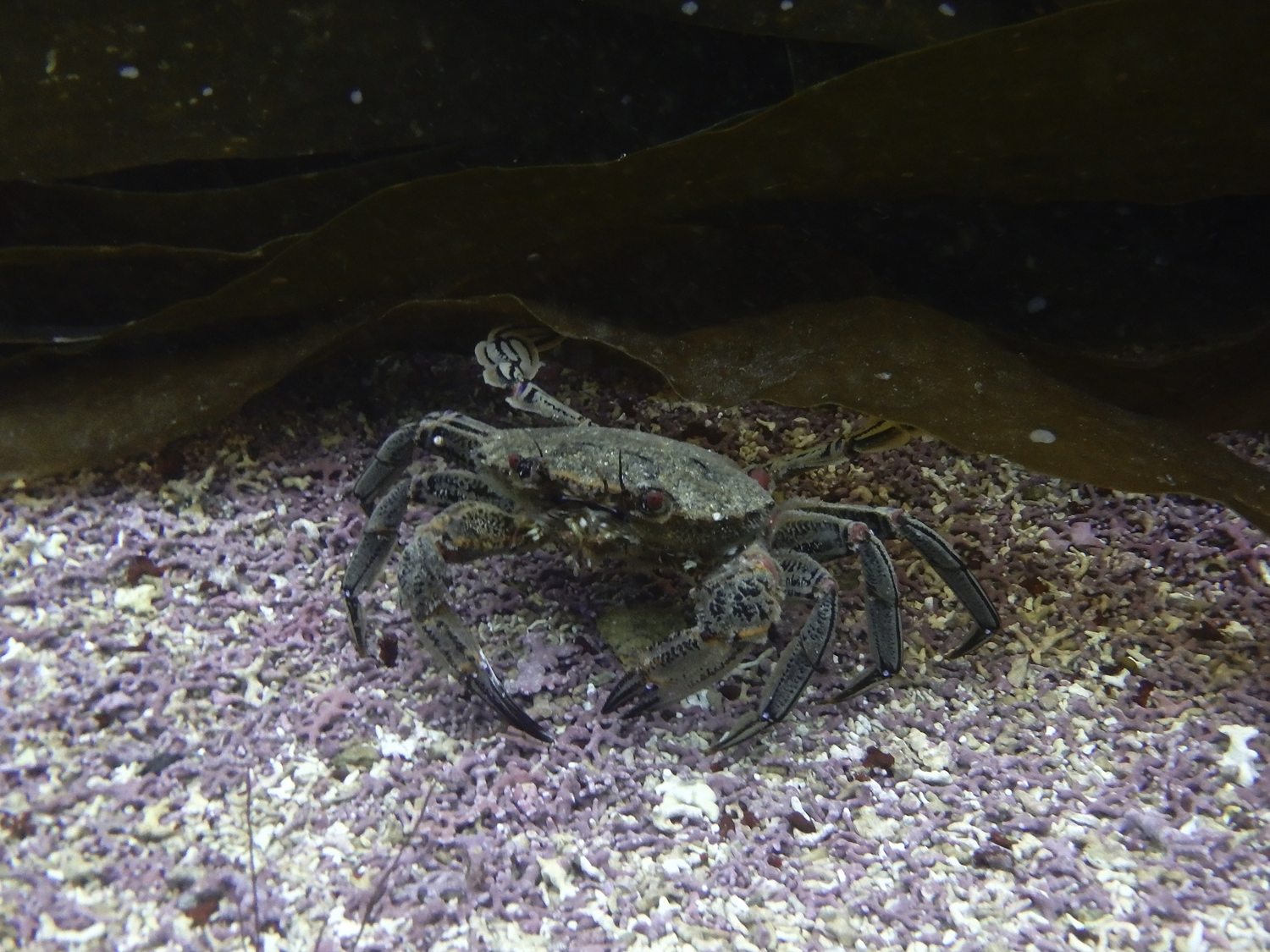
Maerl beds provide a vital habitat for numerous species, including those of commercial importance, such as cod, pollack, clams, scallops, and mussels. The complex three-dimensional structure of branched nodules also traps food, making it easier for other marine organisms to feed, and acts as a seedbank for other seaweeds. Many species of coralline algae can also enhance settlement of coral larvae, thereby giving coral reefs a helping hand. However, this is not the case for all species, and some have the opposite effect.
Like coral, maerl can also protect coastlines from the destructive forces of waves. Encrusting coralline algae can also cement reefs together, including reef rubble and debris from storms and cyclones, making reefs stronger.
Given that maerl is a type of algae, you could be forgiven for assuming that it can only survive in sunlit and shallow marine environments because, much like coral, it needs light to photosynthesize. However, maerl is very versatile, thanks to its secret weapon: extra photosynthetic accessory pigments, which give it a distinctive pinkish red colour, allowing it to absorb light at depth—indeed, maerl can be found as deep as 270 m. Maerl can also survive for extended periods in the dark, such as in polar regions, by storing starch produced during the summer.
Unfortunately, like many marine keystone species, maerl is under threat from many sources. For instance, warming seas and related impacts such as ocean acidification, storm surges, salinity changes, and sea level rise, combined with human activities and disturbances including aquaculture, eutrophication, herbicides, oil spills, dredging, fishing, coastal development, moorings, extraction, and so forth. Mysterious diseases, such as white patch and white band disease, can also affect maerl.
Furthermore, in the British Isles, southern species are more delicate than species from the north. Global warming means that species from the south are moving north, leading to a predominance of more fragile species.
Maerl beds are a beautiful and vital ecosystem, and we can all play a part in protecting them. Existing conservation efforts mainly centre around reducing anthropogenic pressures. For example, maerl beds are a Priority Marine Feature in Scotland, a UK BAP habitat, and an OSPAR threatened and declining habitat, and are protected by a suite of Marine Protected Areas. As part of an ongoing initiative called the UK Maerl Forum, Natural England and partners are implementing a recovery plan, including improving research and monitoring, raising public awareness, effective partnerships, investment, and reducing pressures. Cultivation of maerl seedlings is another emerging area of research, but maerl are difficult and slow to grow. I am currently working on a project to build artificial maerl beds to give natural maerl beds a helping hand. Watch this space, and, if you would like to get involved, feel free to contact me.
• Catherine Proctor (pittcatherine@gmail.com)
Further reading
Costa, D.D.A. et al. 2022. Rhodoliths: Our “rock-and-rolling” underwater friends. Frontiers for Young Minds 10:675695. doi: 10.3389/frym.2022.675695
Schwoerbel, J. et al. 2026. Adapting the growth-form concept to geniculate coralline algae (Corallinales, Rhodophyta). Journal of Phycology, 62, 512-532. doi.org/10.1111/jpy.70155
Weng, Y. et al. 2025. Calcareous pink power: algal eco-economic potential. Environmental Sciences Europe 37, 171. doi.org/10.1186/s12302-025-01218-2
Tuya, F. et al. 2023. Levelling-up rhodolith-bed science to address global-scale conservation challenges, Science of The Total Environment, 892: 164818. doi.org/10.1016/j.scitotenv.2023.164818
Cornwall, C.E. et al. 2023. Crustose coralline algae can contribute more than corals to coral reef carbonate production. Communications Earth & Environment 4, 105. doi.org/10.1038/s43247-023-00766-w
Kamenos, N.A. et al. 2008. Red coralline algae as a source of marine biogenic dimethylsulphoniopropionate. Marine Ecology Progress Series 372:61-66. doi.org/10.3354/meps07687
Costa, D.D.A. et al. 2023. An overview of rhodoliths: ecological importance and conservation emergency. Life, 13, 1556. doi.org/10.3390/life13071556
Cocozza di Montanara, A. et al. 2025. The structuring role of rhodolith beds on meiobenthic communities in the Mediterranean Sea. Aquatic Conservation: Marine and Freshwater Ecosystems, 35: e70060. doi.org/10.1002/aqc.70060
Bulleri, F. et al. 2025. Positive species interactions structure rhodolith bed communities at a global scale. Biological Reviews, 100: 428-444. doi.org/10.1111/brv.13148
Fredericq S. et al. 2019. The critical importance of rhodoliths in the life cycle completion of both macro- and microalgae, and as holobionts for the establishment and maintenance of marine biodiversity. Frontiers in Marine Science: Marine Ecosystem Ecology, 5:502. doi: 10.3389/fmars.2018.00502
Webster, N.S. et al. 2013. Ocean acidification reduces induction of coral settlement by crustose coralline algae. Global Change Biology 19(1): 303-315. doi.org/10.1111/gcb.12008
Ritson-Williams, R. et al. 2010. Larval settlement preferences and post-settlement survival of the threatened Caribbean corals Acropora palmata and A. cervicornis . Coral Reefs 29: 71–81. doi.org/10.1007/s00338-009-0555-z
Amado-Filho, G.M. et al. 2018. Spatial and temporal dynamics of the abundance of crustose calcareous algae on the southernmost coral reefs of the western Atlantic (Abrolhos Bank, Brazil). Algae, 33(1): 85-99. doi.org/10.4490/algae.2018.33.2.25
Leplastrier, A. et al. 2024. Sulphate reduction and carbonate precipitation in a high-energy algal rim framework. Coral Reefs 43, 951-968. doi.org/10.1007/s00338-024-02509-5
NIWA (Earth Sciences New Zealand) 2006. Coralline algae and paua settlement. Available at: niwa.co.nz/water-atmosphere/vol14-no2-june-2006/coralline-algae-and-paua-settlement [Accessed 14/05/2026]
Pyko, I., Wisshak, M. and Teichert, S. 2025. Depth-Related Controls on the Quantitative Composition of Rhodolith Matrices in the High Arctic. Aquatic Conserv: Mar Freshw Ecosyst, 35, e70045. doi.org/10.1002/aqc.70045
Ragazzola F. et al. 2016. Impact of high CO2 on the geochemistry of the coralline algae Lithothamnion glaciale. Scientific Reports 6, 20572. doi.org/10.1038/srep20572
Melbourne, L.A. et al. 2023. Environmental impacts on the structural integrity of British rhodoliths. Scientific Reports 13, 13473. doi.org/10.1038/s41598-023-40292-5
Melbourne, L.A. et al. 2018. The importance of wave exposure on the structural integrity of rhodoliths, Journal of Experimental Marine Biology and Ecology, 503: 109-119. ISSN 0022-0981 doi.org/10.1016/j.jembe.2017.11.007
Tauran, A., Dubreuil, J., Guyonnet, B. and Grall, J. 2020. Impact of fishing gears and fishing intensities on maerl beds: an experimental approach, Journal of Experimental Marine Biology and Ecology, 533, 151472. doi.org/10.1016/j.jembe.2020.151472
Rendina, F. et al. 2026. Rhodolith beds and their ecosystem services in the context of global environmental change, Water Biology and Security, 100624. doi.org/10.1016/j.watbs.2026.100624
Harrington, L. et al. 2005. Synergistic effects of diuron and sedimentation on photosynthesis and survival of crustose coralline algae, Marine Pollution Bulletin, 51, 1–4, 415-427. doi.org/10.1016/j.marpolbul.2004.10.042.
Dolinar, D. et al. 2020. Impacts of boat mooring disturbance on productivity and respiration in rhodolith beds from Catalina Island, USA. Ciencias Marinas 46: 253-267. doi: 10.7773/cm.v46i4.3135
Hereu, B. and Kersting, D. 2016. Diseases of coralline algae in the Mediterranean Sea. Coral Reefs, 35(2). 10.1007/s00338-016-1428-x
NatureScot. Maerl beds. Updated:04/10/2023 Available at: www.nature.scot/landscapes-and-habitats/habitat-types/coast-and-seas/marine-habitats/maerl-beds [Accessed 13/8/25]
Gall, A. 2025. Protecting one of England's rarest marine habitats: Natural England's work on maerl. Natural England. Available at: naturalengland.blog.gov.uk/2025/05/15/protecting-one-of-englands-rarest-marine-habitats-natural-englands-work-on-maerl/ [Accessed 14/05/2026]
Puccini, A., Kaleb, S., Ceccherelli, G. et al. 2025. An ex-situ approach for cultivating coralline algae in a restoration perspective. Marine Biology 172, 180. doi.org/10.1007/s00227-025-04729-x