Plankton Power
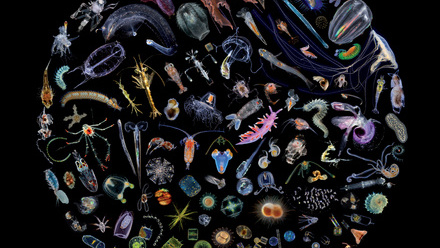
When we imagine the ocean sustaining life, we tend to think of whales, coral reefs or fisheries. Yet the true engines of the marine world are too small to see. Drifting in sunlit surface waters and throughout the deep sea, microscopic plankton (protists, animals, archaea, bacteria, fungi, and viruses) quietly regulate Earth’s climate, feed marine food webs and help stabilize the planet. Despite their size, plankton deliver ecosystem services on a planetary scale, making them among the most importantand yet most underappreciated organisms on Earth.
Primary producers of a blue planet
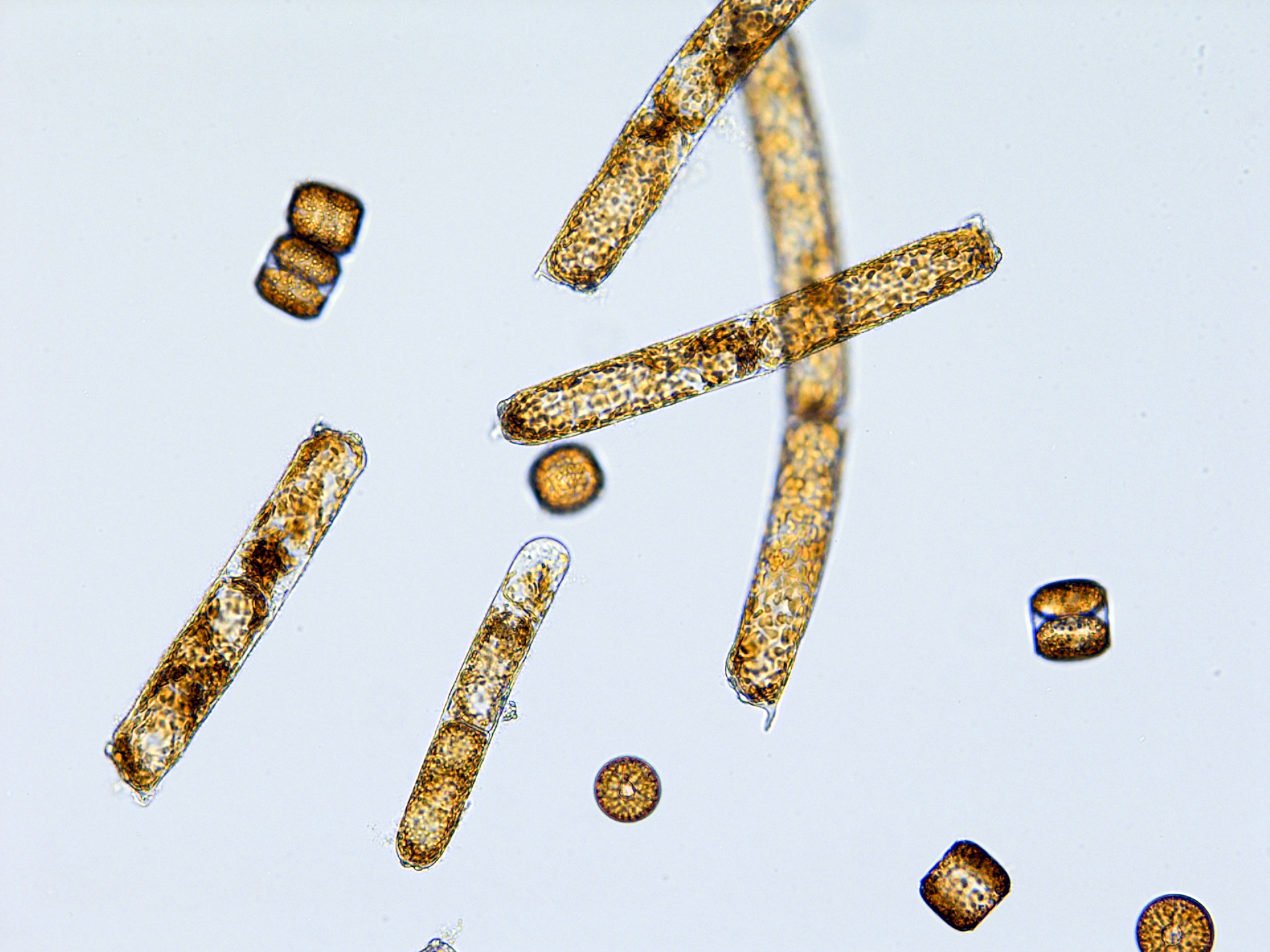
At the foundation of plankton ecosystem services is marine primary production. Photosynthetic plankton convert sunlight, nutrients, and dissolved carbon dioxide into organic matter. In doing so, they perform roughly half of all photosynthesis on Earth, matching the combined productivity of terrestrial vegetation. This immense output creates the base of marine food webs, supporting everything from microscopic grazers to fish, seabirds, and whales. Any sustained change in plankton abundance or community composition therefore cascades upward, affecting fisheries, wider biodiversity, and food security.
Oxygen, climate, and the biological carbon pump
Through photosynthesis, plankton generate around half of the oxygen on the planet, which supports the wider marine ecosystem. Equally critical is plankton’s role in the biological carbon pump. Carbon 'fixed' by photosynthetic plankton is transferred through food webs and, when plankton die or produce faecal pellets, a fraction sinks into the deep ocean. There, carbon can be sequestered for centuries to millennia, effectively slowing the buildup of atmospheric carbon dioxide. Because the efficiency of the biological carbon pump depends on plankton size, structure, diversity, and trophic interactions, changes in plankton communities could weaken the ocean’s capacity to buffer climate change.
Nutrient cycling and water quality
Plankton are also central to nutrient recycling, another vital regulating service. Nitrogen and phosphorus constantly move between dissolved forms and living biomass as plankton grow, are grazed, and decompose. Bacteria and archaea (see Box 1) recycle organic matter back into inorganic nutrients, while some plankton groups fix atmospheric nitrogen into biologically usable forms. These processes help maintain water quality, but they are sensitive to human pressures. Excess nutrient inputs from agriculture and sewage can overwhelm natural recycling, leading to eutrophication and harmful algal blooms.
Supporting fisheries and food security
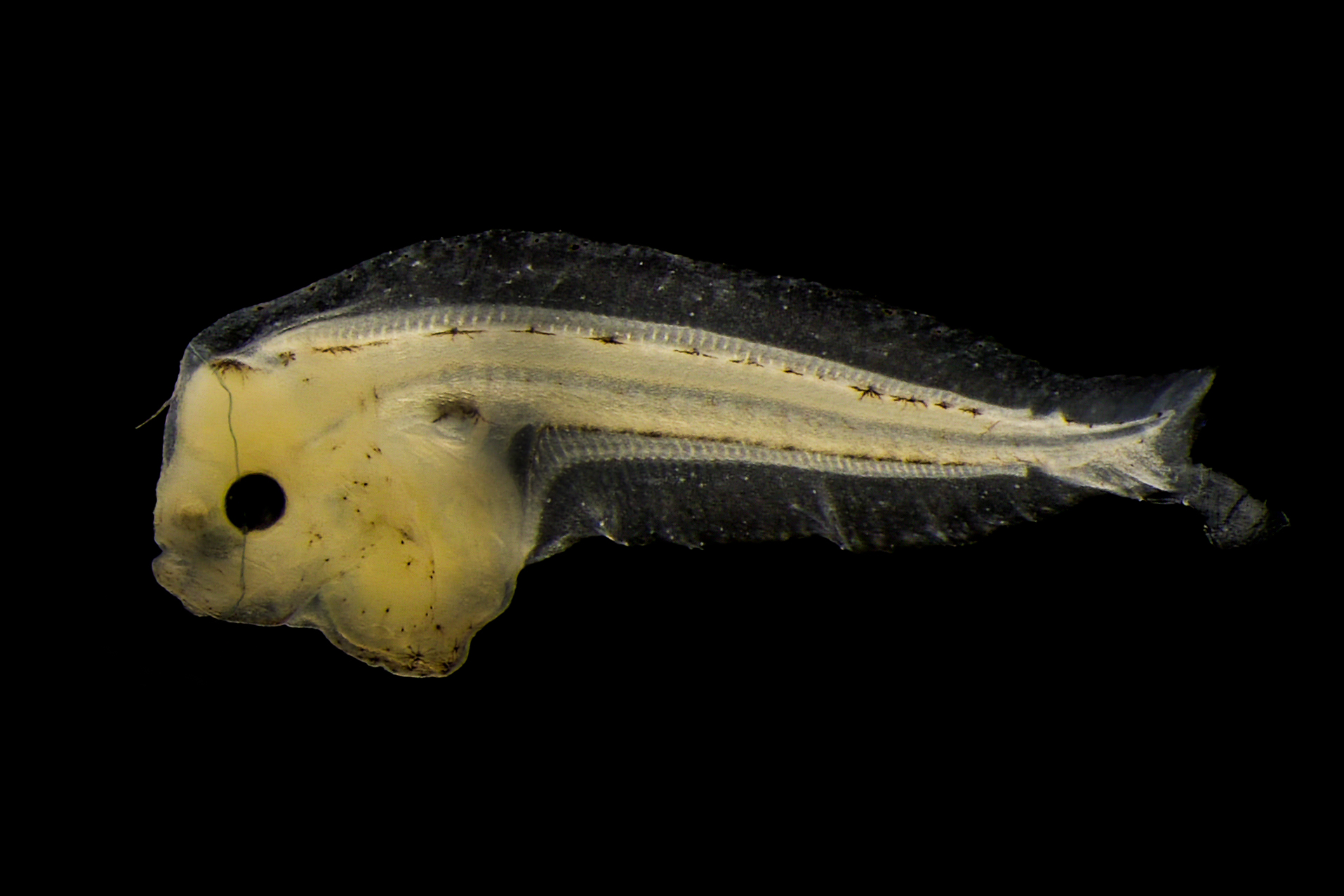
Many of the ocean’s most familiar ecosystem services, such as fisheries and seafood provisioning, are built directly on plankton productivity. Fish larvae rely on dense, nutritious plankton blooms for survival during their earliest life stages. Even small mismatches between plankton blooms and larval fish hatching can lead to poor recruitment and long-term declines in fish populations. The Plankton Manifesto highlights plankton as the first link in the food chains supporting global fisheries and aquaculture, and thus a hidden pillar of food security for billions of people. While commercial fish are valued economically, the plankton processes sustaining them are often ignored because their benefits are indirect and dispersed.
Cultural and scientific services
Plankton also deliver cultural ecosystem services. Their aesthetic value is evident in spectacular plankton blooms visible from space or in glowing bioluminescent waters that attract tourism in some regions. Plankton are also essential to scientific research and environmental monitoring. Because plankton respond rapidly to environmental change, they are sensitive indicators of ocean health. Long-term plankton monitoring programmes provide early warning signals of impacts that may not yet be visible in fish, seabird, or other populations.
Box 1: What counts as plankton?
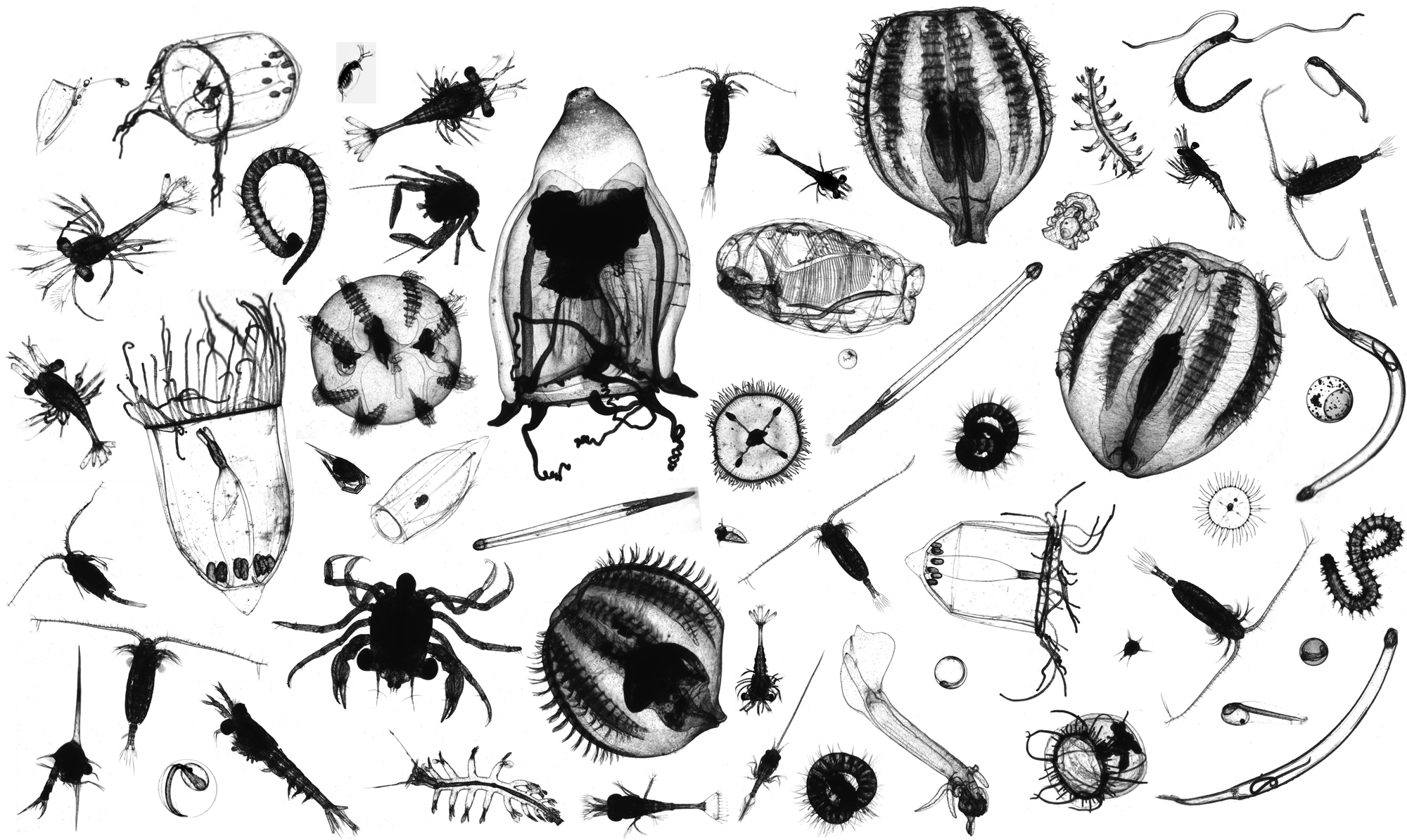
Plankton are not a single kind of organism. The word covers any living thing that drifts for some or all of its life, unable to swim strongly enough to overcome currents and tides. Some plankton, such as diatoms and other photosynthetic microbes, harvest sunlight, forming the ocean’s ‘green engine’. Others are animal plankton (zooplankton), from microscopic copepod grazers to jellyfish, that feed on smaller plankton or detritus. A huge share of plankton is invisible even under a regular microscope, including the bacteria and archaea that recycle nutrients, and viruses that infect plankton and shape their populations. Size can range from less than a micron to centimetre-scale drifters. Various organisms are plankton only for part of their life cycle. Many fish and invertebrates begin life as planktonic eggs or larvae before settling or becoming active swimmers.
Ecosystem disservices
Not all plankton impacts are beneficial. Some species form harmful algal blooms (HABs) that produce toxins or cause oxygen depletion, leading to fish kills, shellfish harvest closures, and human health risks. These effects are ecosystem disservices—their economic costs, especially to fisheries, aquaculture, healthcare, and tourism, are often easier to measure than the benefits of ‘healthy’ plankton functioning. Crucially, many plankton disservices are tightly linked to human activities such as nutrient pollution and climate change. This means that protecting and restoring plankton ecosystem services is also one of the most effective ways to reduce harm.
Plankton under pressure
Plankton ecosystems are changing rapidly. Across large parts of the world’s ocean, there is long-term change in plankton biomass as well as shifts in community structure, with climate change and associated impacts, such as marine heatwaves, identified as a dominant driver Society has largely overlooked plankton because they are invisible and complex, even though they represent one of the most powerful natural solutions to the intertwined crises of climate change, biodiversity loss, and pollution.

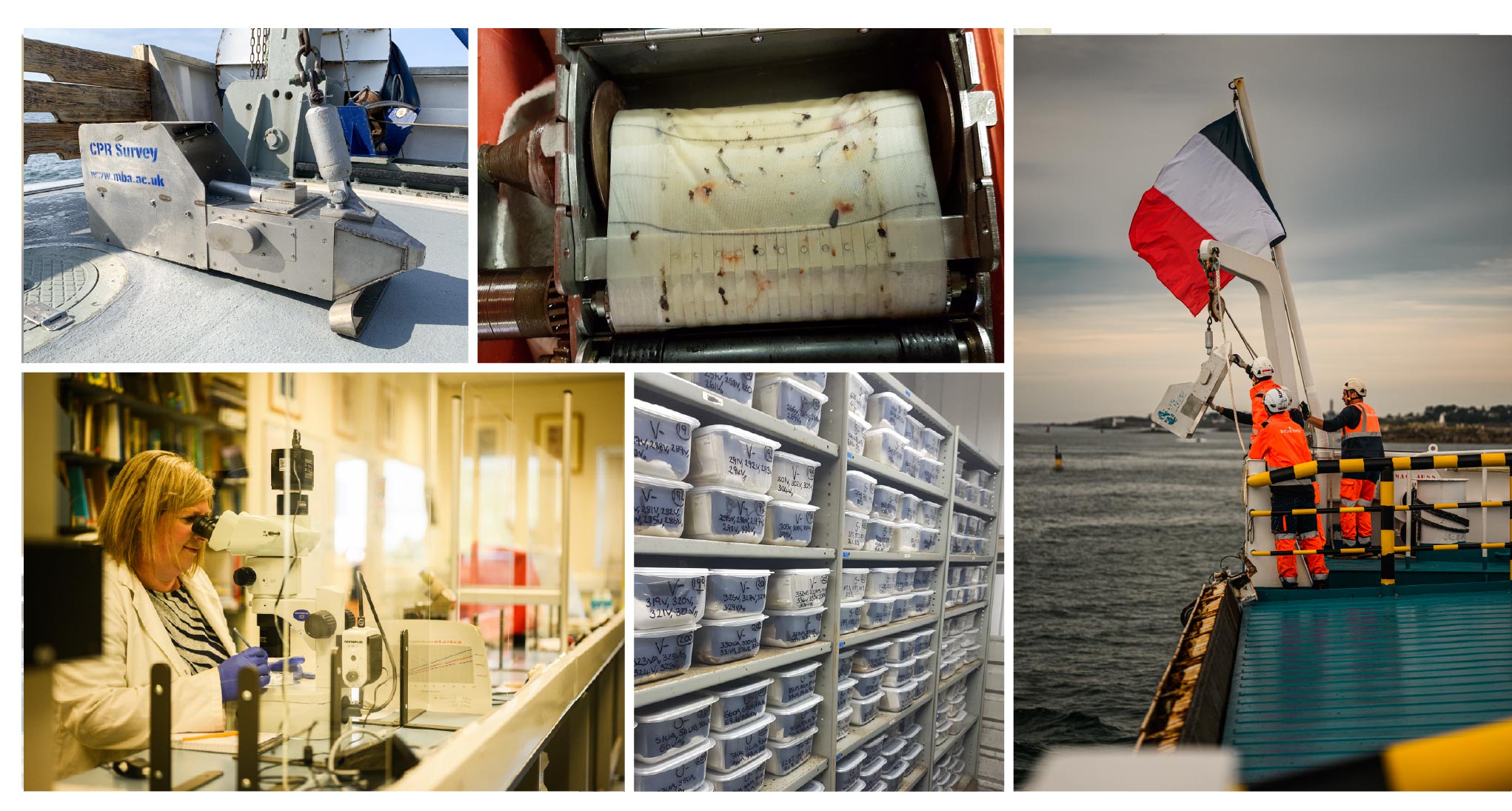
Box 2: The Continuous Plankton Recorder (CPR) Survey: the ocean’s early‑warning system
For over 90 years, the Continuous Plankton Recorder (CPR) Survey has provided the world with an unrivalled window onto the invisible life that powers the ocean. Operating since 1931 and run today by the Marine Biological Association, the CPR Survey is the longest-running, most geographically extensive marine ecological monitoring programme in the world, having logged nearly 8 million nautical miles of sampling across the global ocean. By routinely collecting plankton via ships of opportunity, the CPR Survey delivers consistent, comparable long term data on plankton abundance, diversity, and seasonality—information that cannot be recreated retrospectively. CPR data underpin our understanding of marine food webs, carbon cycling, fisheries productivity, harmful algal blooms (HABs), and climate-driven ecosystem change—the ecosystem services and, in some cases disservices provided by plankton. Crucially, CPR data form the backbone of national and international assessments, including OSPAR’s evaluation of pelagic habitats, where long-term plankton trends are key indicators of ocean health and resilience. With open-access data, global collaborations and technical innovations, the CPR Survey represents unique scientific, conservation, and management value. The CPR Survey is safeguarding an early-warning system for climate, biodiversity, and food security, grounded in nearly a century of trusted evidence.
Why plankton-based thinking matters
Taking plankton ecosystem services seriously requires a shift in how we think about ocean stewardship. Traditional management and conservation often focus on charismatic species or single economic sectors, such as fisheries. Yet plankton respond most strongly to cumulative, large-scale pressures that cut across policy boundaries, such as warming and nutrient inputs. Emerging management will therefore need to be far more cross-cutting, linking climate adaptation, nutrient reduction, fisheries, marine spatial planning and biodiversity policy rather than treating them separately. It will also depend on long-term monitoring and adaptive governance that can detect change early and respond before the consequences of shifts in plankton communities cascade through marine ecosystems and the services they provide.
• Professor Michael Cunliffe FMBA (micnli@MBA.ac.uk), MBA Director of Science and Senior Research Fellow.
All images © MBA
Further reading
Doumeizel et al. 2024. The Plankton Manifesto: a call for plankton-based solutions to address the triple planetary crisis. United Nations Global Compact, New York.
Kléparski, L. et al. 2025. How marine heatwaves are reshaping phytoplankton in the Northeast Pacific. Limnology and Oceanography, 70, 2447-2463.
Wanek, E., Esteban-Cantillo, O.J. and Bourgeois-Gironde, S. 2025. Valuing marine plankton: A review of ecosystem services and disservices and an expert assessment of the potential of area-based protection. Frontiers in Marine Science, 12, 1607996