PUBLIC PERCEPTIONS
Sustainable commercial fisheries play a vital role in sustaining coastal life around England, yet their societal contributions are often hard to quantify, and risk being under-recognized in policy and management frameworks. New research led by Newcastle University, and funded by Natural England, has explored how the public perceive the value of these fisheries and what those perceptions reveal about their wider societal importance.
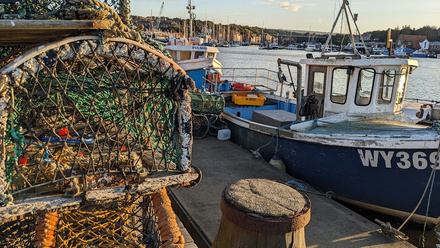
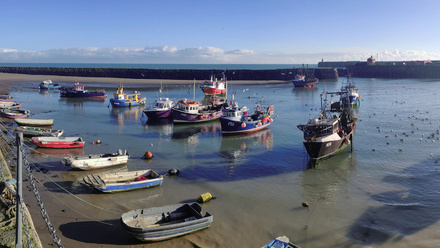
Exploring societal contributionsThe study focused on crab and lobster fisheries in three English towns: North Shields (Tyne and Wear), Whitby (North Yorkshire), and Cromer (Norfolk). The work sought to capture how residents and visitors perceive the wider contributions of their local fishing fleets to the town and to local life. Using stakeholder interviews and surveys of 510 members of the public (234 residents and 278 tourists) conducted in summer 2024, the project developed a wellbeing-based framework that looks beyond economic indicators to include cultural identity, community cohesion, and the ways people relate to, and interact with, their local fishing industry.
Preliminary results suggest that public perceptions of these fisheries are largely positive and indicate that they are viewed as both a source of food and a defining feature of an area's identity. For example, 99 per cent of respondents agreed or strongly agreed with the statement that the local fishing industry and infrastructure are important to the cultural heritage and identity of the area. Similarly, 90 per cent of those who had interacted with the fishery (by visiting fishing sites such as harbours, watching boats at work, or speaking with fishers) said it had a positive impact on their day.
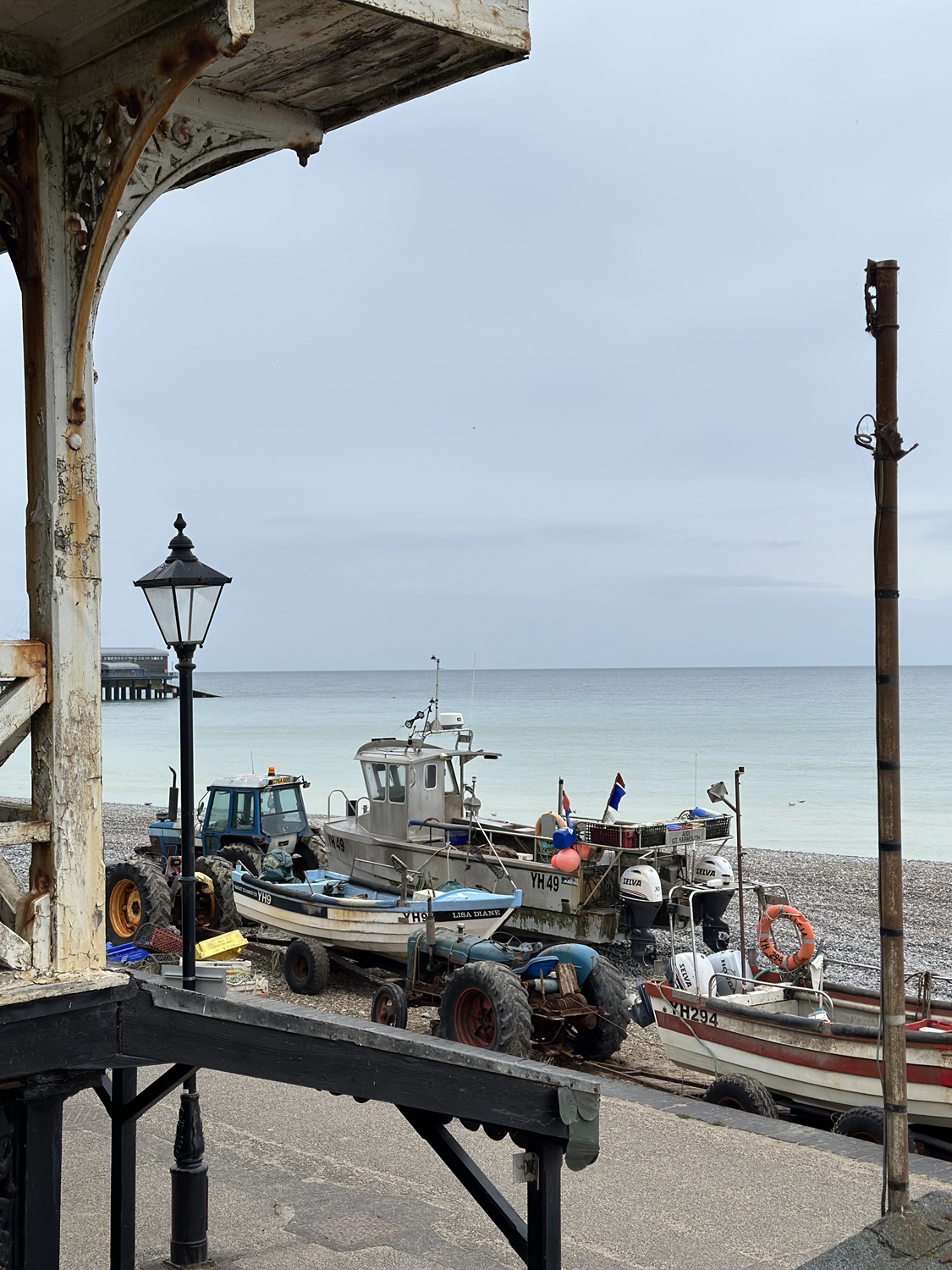
Beyond cultural connections, survey respondents also perceived these fisheries to be an important component of the local coastal economy, linking it to tourism, hospitality, and local supply chains. Given this perceived importance, 84 per cent of residents agreed that more should be done by the government to protect the fishing industry in their area, and 83 per cent of all respondents said they would be very concerned if the fishing industry no longer existed in their area.
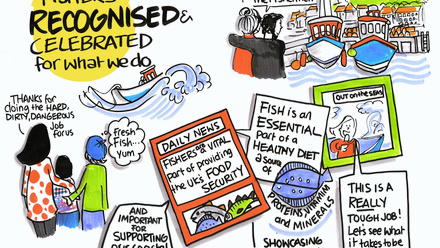
These results point toward a strong sense of social and cultural attachment to fisheries and their role in attracting visitors to an area—with many respondents commenting that the presence of the fishery makes the area unique and is a reason for visiting or even moving to an area. They also suggest that fishing fleets contribute to a broader notion of community wellbeing that may not be fully captured by conventional economic measures.
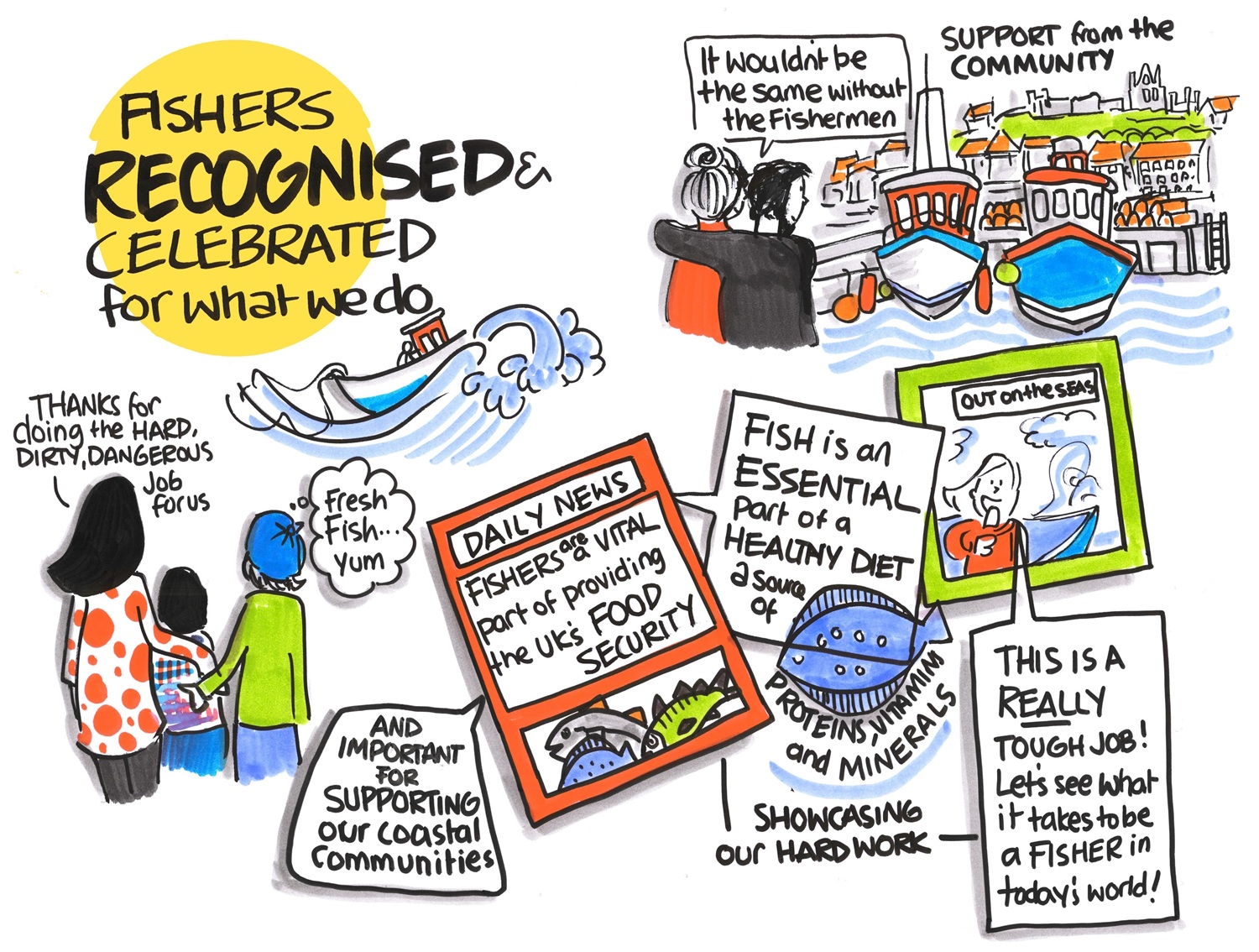
At the same time, early analysis highlights important knowledge gaps. While 99 per cent of all respondents agreed that the UK should produce its own seafood and reduce reliance on imports, many expressed uncertainty about what species are locally landed or where they could find them. Despite this, 91 per cent of visitors considered locally sourced seafood an important part of their coastal holiday. This contrast between strong public demand and limited understanding suggests that greater visibility and communication could help bridge the gap between interest and access. Improved education and clearer information about seafood provenance, sustainability, and regional fisheries could strengthen public confidence and enable people to make more informed choices that support local economies.
Reflections for policy and governance
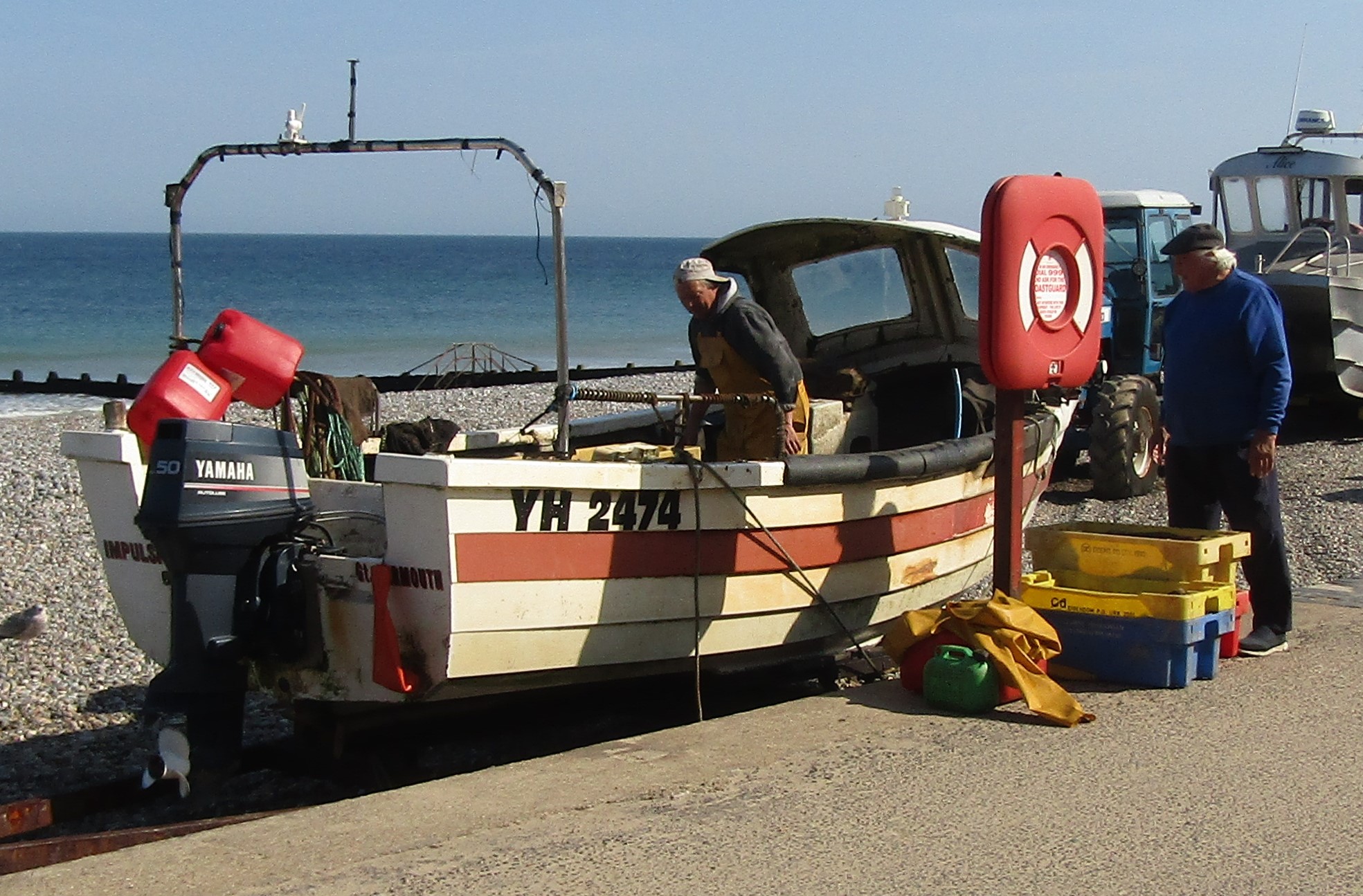
Although the research is ongoing, it raises important questions for the implementation of the UK Fisheries Act 2020 and its national benefit objective, which commits to ensuring that fishing delivers social and economic benefits to the nation. How the public understand, perceive, and experience the benefits that flow from fisheries is fundamental to the successful delivery and receipt of those benefits. This research also opens up important space to consider how uneven rates of decline in the fishing fleet across England translate into societal loss, where active fishing boats are no longer working in harbours. Together, these insights should offer valuable insight for developing more socially responsive Fisheries Management Plans.
While sustainability has always encompassed social, economic, and environmental factors, social aspects are often less visible in discussions about fisheries. Bringing public attitudes and experiences into the picture can help make these social dimensions, such as wellbeing, heritage, and sense of place, more tangible and useful in decision-making. At the same time, addressing the knowledge gaps and helping the public understand how fisheries work can strengthen support from the public and encourage informed seafood purchasing choices.
What’s next?This research forms part of a wider effort to better understand the societal contribution of England’s inshore fisheries. While the findings presented here are preliminary, they point toward opportunities to integrate social evidence into policy and to enhance dialogue between industry, academia, and the wider public.
As work continues, the aim is not to draw fixed conclusions but to contribute to a more nuanced conversation—one that recognizes small-scale fisheries as part of the living fabric of coastal communities, and seeks to ensure that their social and cultural contributions are considered in decisions about the future of the sea.
Phoebe Lewis (P.Lewis4@newcastle.ac.uk)
Ainsley Hatt (A.Hatt2@newcastle.ac.uk)
Sarah Coulthard (Sarah.Coulthard@newcastle.ac.uk), Newcastle University